Trauma Essentials
Educational Resources for Clinicians

Trauma Essentials
Memory Processing Modalities
 Curated by Linda A. CurranBCPC, LPC, CAADC, CCDPD
Comprehensive educational resources on evidence-based trauma modalities. Explore core concepts, clinical techniques, and practical guidance for body-based and "bottom-up" approaches to trauma therapy.

"Know all the theories, master all the techniques, but as you touch a human soul be just another human soul." ~ Carl Jung
How to Use This Site
Three steps to get the most from these resources
Pick a Modality
Browse the modality cards and open the approaches you want to study in more detail.
Study the Material
Each page has a course narrative, core concepts, clinical techniques, session language, a glossary, and references.
CEUs Are Being Negotiated
CEUs are being negotiated. Post-tests, certificates, and CE credit are not currently available. You can review every course overview and set of learning objectives now.
Featured Video
Linda A. Curran, BCPC, LPC, CAADC, CCDPD interviews Dr. Bessel van der Kolk on integrative approaches to trauma treatment.
Explore Our Resources
Comprehensive educational guides with core concepts, clinical techniques, session language, glossaries, and academic references.

Experiential, affect-centered psychotherapy that uses a responsive therapeutic relationship to help clients approach and process overwhelming emotional experience.
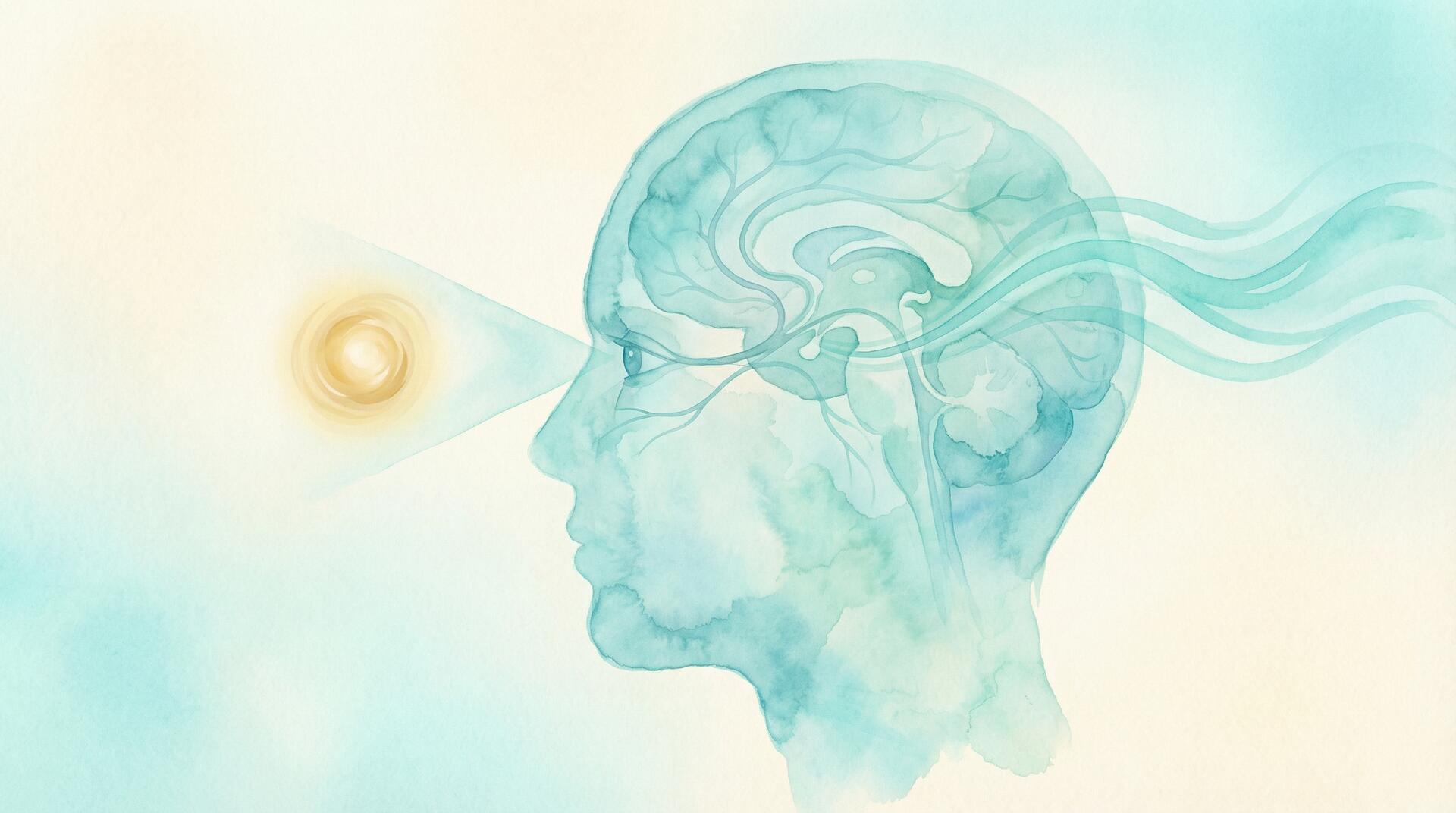
Brain-body therapy using eye position to access and process trauma stored in subcortical brain regions.
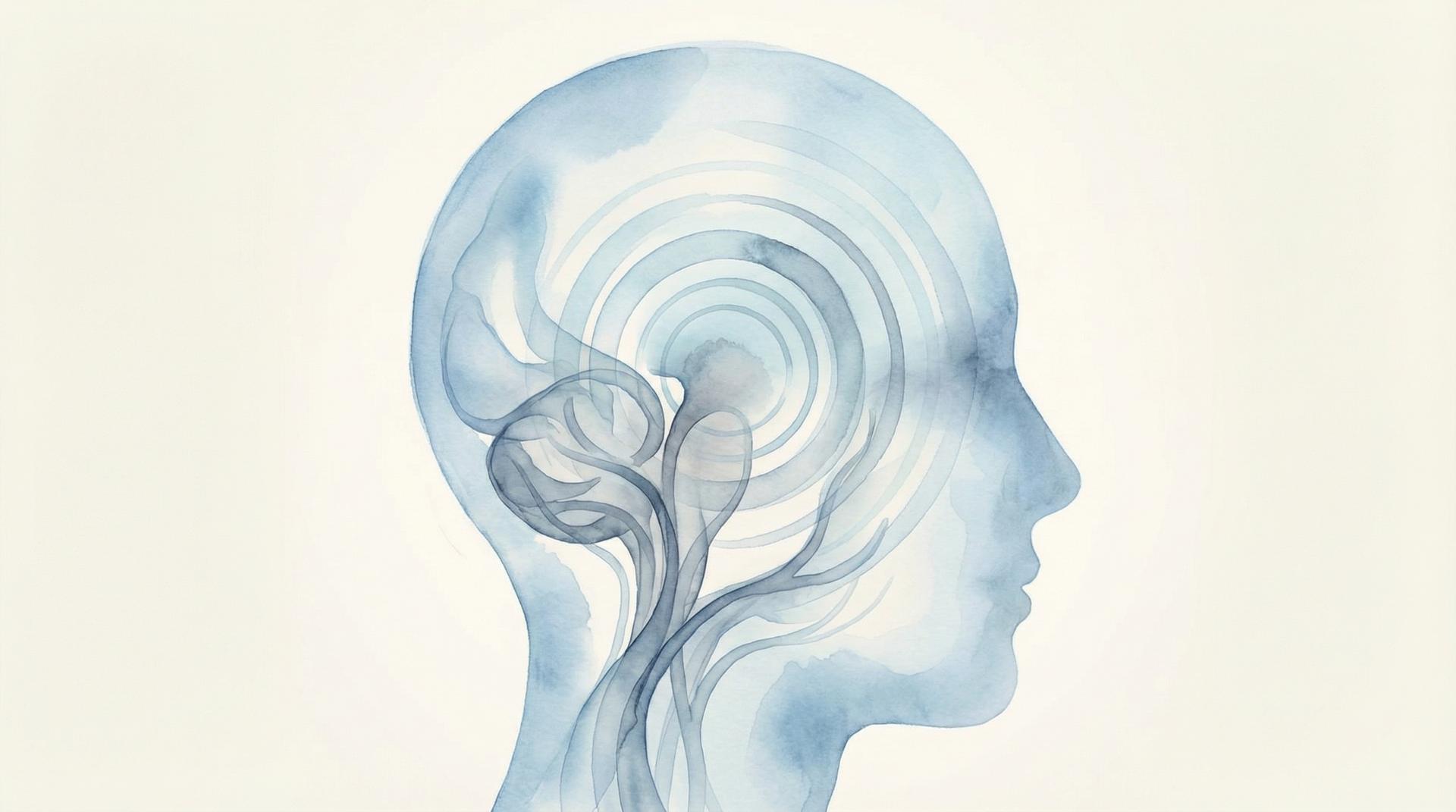
Brainstem-focused trauma therapy accessing the core of traumatic experience through the physiological sequence in the brainstem.
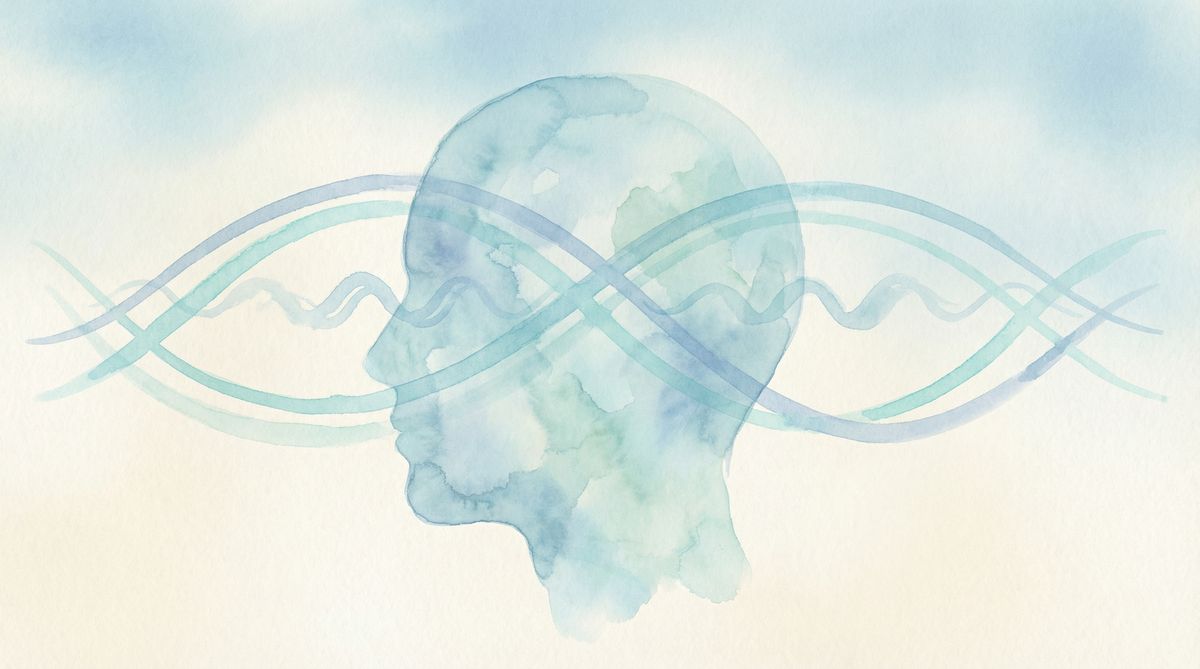
Eye Movement Desensitization and Reprocessing using bilateral stimulation to process traumatic memories.
Present-moment awareness and experiential techniques emphasizing the here-and-now and personal responsibility.
Parts work and Self-leadership approach helping clients access their core Self to heal wounded parts.

EEG biofeedback using brain/computer interface to train the brain toward healthier patterns of arousal and self-regulation.
Integration of psychedelic substances with psychotherapy for trauma processing and healing.
Experiential action method using sociometry, role work, and guided enactment to explore relational patterns and practice new responses.
Body-centered trauma therapy integrating somatic awareness with cognitive and emotional processing.
Body-based trauma resolution focusing on completing interrupted defensive responses and restoring self-regulation.
Linda A. Curran, BCPC, LPC, CAADC, CCDPD
Want to deepen your clinical practice?
Consultation
Individual & group consultation for clinicians integrating body-based approaches.
Learn moreLinda Curran is an internationally recognized trauma specialist, author, and educator with over 25 years of clinical experience. She has trained thousands of clinicians worldwide in evidence-based trauma treatment approaches, with a particular focus on body-based and "bottom-up" modalities.
As the author of Trauma Competency, 101 Trauma-Informed Interventions, and EMDR Deconstructed, Linda brings a unique integrative perspective to trauma treatment, helping clinicians understand how different modalities can be combined for comprehensive, client-centered care.
"We're all just walking each other home."
Credentials
- Board Certified Professional Counselor (BCPC)
- Licensed Professional Counselor (LPC)
- Certified Advanced Alcohol and Drug Counselor (CAADC)
- Certified Co-occurring Disorders Professional Diplomat (CCDPD)
Specializations
- Complex Trauma & Dissociation
- Integrative Trauma Treatment
- EMDR & Body-Based Approaches
- Clinical Training & Supervision
EMDR Deconstructed™
2026 Edition
EMDR Deconstructed™: A Clinician's Field Guide
8 chapters on adapting EMDR for complex trauma. Includes downloadable resources, clinical worksheets, and a pre-session screening battery. Free Chapter 2 available.
Keep this guide free.
Foundational Concepts
Essential frameworks that underpin all trauma modalities. Understanding these concepts enhances your work across every therapeutic approach.

Foundational theory of how early caregiver bonds shape internal working models, attachment styles, and relational patterns across the lifespan.
The study of how early bonds with caregivers create internal blueprints for relationships, emotion regulation, and the capacity to heal within the therapeutic relationship.
The neurobiological process by which reactivated emotional memories become temporarily labile and can be modified at their source ~ explaining why some therapy produces lasting change.
How emotional memories change: the science of why certain therapeutic interventions produce lasting transformation while others produce only temporary relief, and why certain medications can prevent processing entirely.
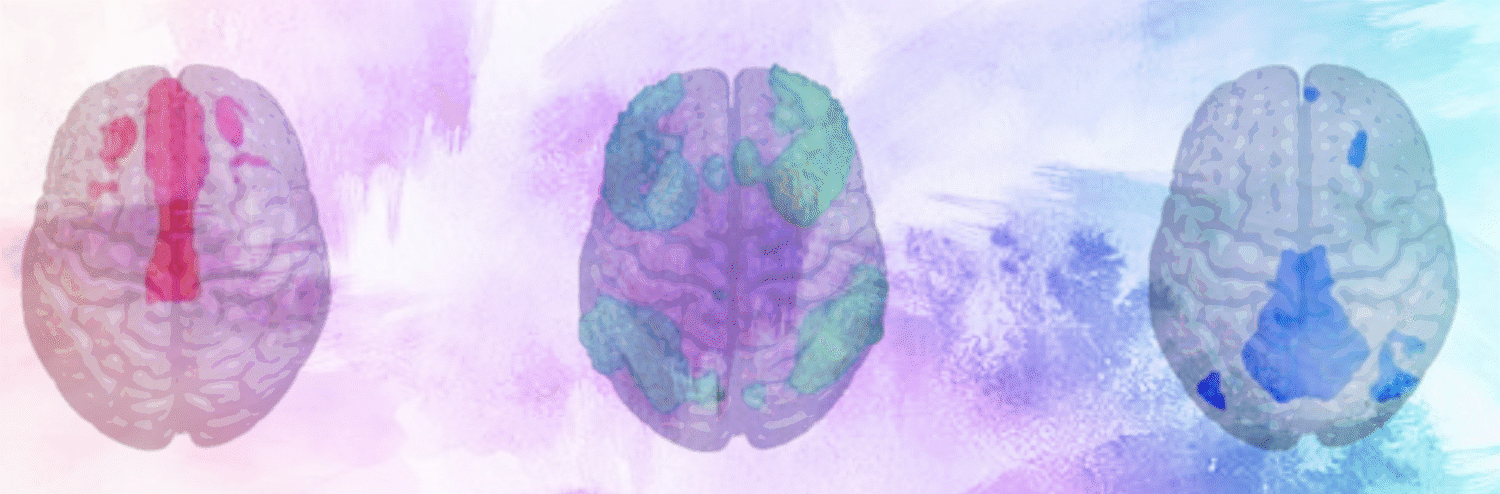
Why the same modality works differently for different clients ~ the brain's three major networks explain everything about trauma presentations and treatment selection.
The three large-scale brain networks (DMN, CEN, SN) and how their disruption creates two distinct PTSD presentations requiring different treatment approaches.
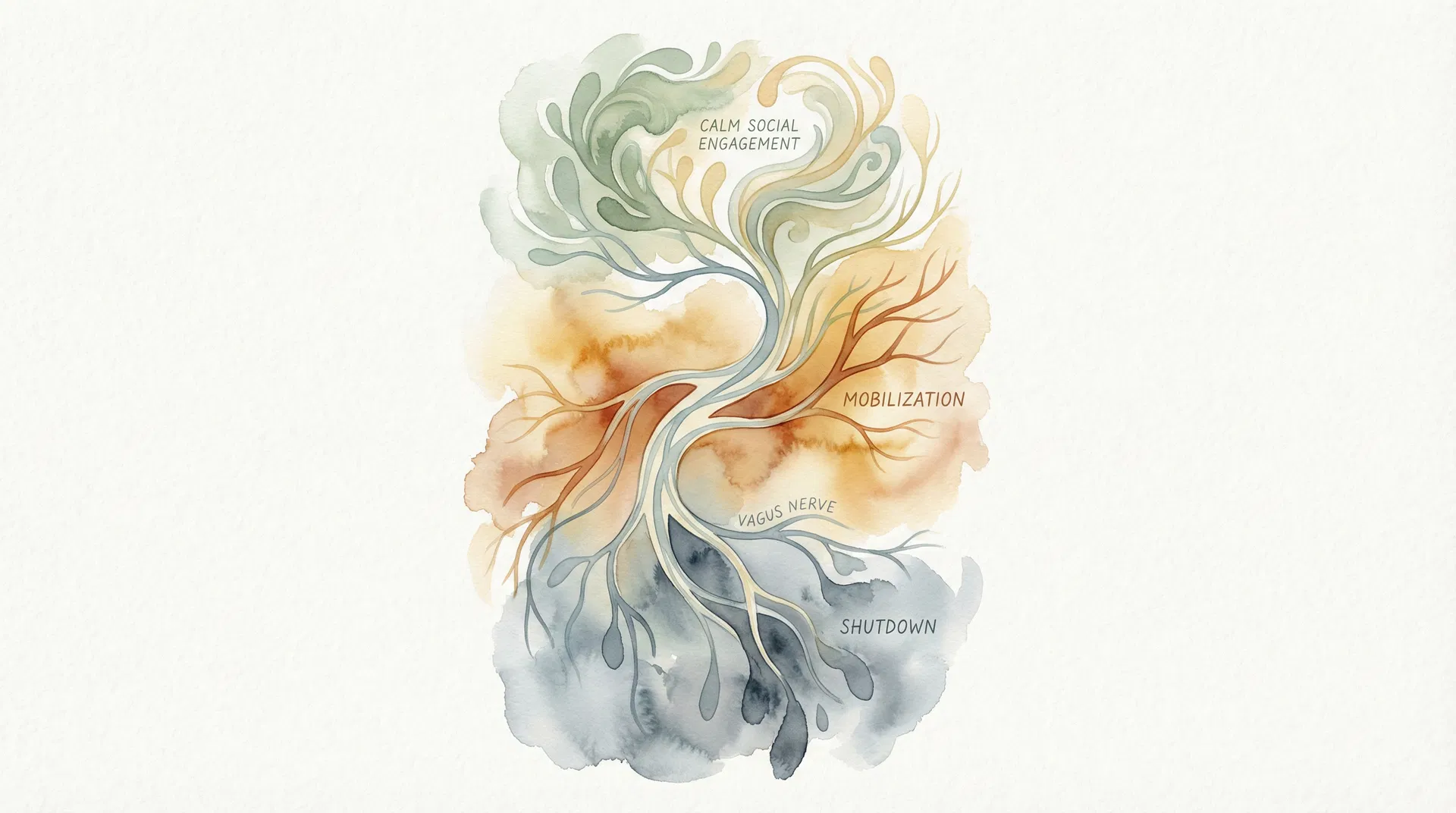
Stephen Porges' framework for understanding how the autonomic nervous system's three-part hierarchy shapes safety, connection, and defense.
A neurophysiological framework explaining how the vagus nerve's two branches create three autonomic states ~ social engagement, mobilization, and shutdown ~ and why trauma is a disorder of neuroception.
Theory of Structural Dissociation explains how trauma fragments the personality into ANP and EP parts across PTSD, Complex PTSD, and DID.
A framework explaining how overwhelming experiences divide the personality into parts that function in daily life (ANP) and parts that hold traumatic memories and defenses (EP).
Foundational concept for understanding arousal states and nervous system regulation across all trauma modalities.
The optimal zone of nervous system arousal where a person can process emotions, think clearly, and engage therapeutically without becoming overwhelmed or shutting down.
Integrative Approaches
Learn how to thoughtfully combine multiple trauma modalities for comprehensive, client-centered treatment. Explore sequencing models, modality combinations, and clinical examples for complex trauma work.
Downloadable Resources
Access our comprehensive collection of clinical materials including comparison charts, quick reference cards, and clinical guides. All resources are designed for easy printing and quick reference during sessions.
Pre-Session Screenings
Downloadable screening instruments for clinical intake ~ ITQ (Trauma), Adult Attachment, C-SSRS (Suicide Risk), DES-II (Dissociation), and Sensitivity Questionnaire. Each includes a client questionnaire and separate clinician scoring sheet.
Share Curated Collections
Select specific modalities and foundational concepts to bundle into a single shareable link. Send curated resource sets to trainees, consultation groups, or individual clinicians.